Almax Auto
Almax Auto
Almax Auto
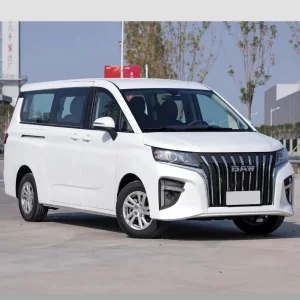
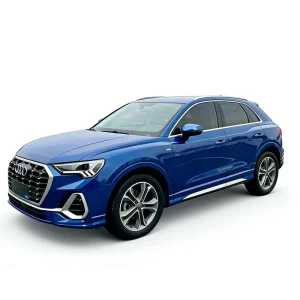
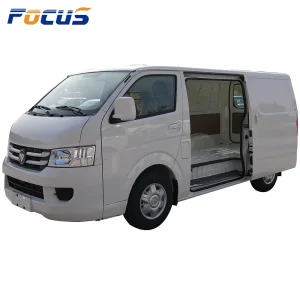

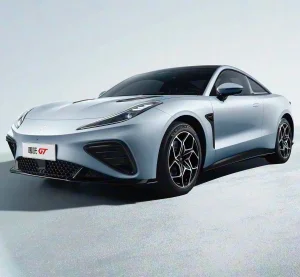
The global automotive and logistics ecosystems are undergoing a generational shift toward net-zero emissions. As multi-national corporations commit to strict Scope 3 decarbonization metrics, the role of a B2B sustainable transportation supplier has progressed from optional sustainability partner to core risk-mitigation strategist. Sustainable transport is no longer confined to manufacturing electric passenger cars; it encompasses full commercial vehicle electrification, smart warehousing lift systems, highly efficient hybrid family transits, and optimized ICE powertrains designed for lower carbon output.
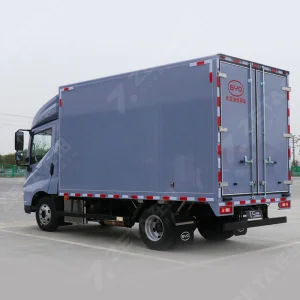
In this transition, enterprise buyers analyze total lifetime efficiency. Factors such as battery density, thermal runaway metrics, energy-saving components like low-coefficient brake pads, and advanced telemetry integrations define modern green fleets. Companies optimizing their supply chain search for suppliers capable of providing a full suite of products—from heavy-duty electric cargo trucks like the BYD T5DM to specialized spare parts and components that extend vehicle lifespans and minimize localized emissions.
| Vehicle Class | Primary Power System | Key Performance Metrics | Ideal Application |
|---|---|---|---|
| Urban Cargo (e.g., BYD T5DM) | Electric LFP Battery Technology | Zero direct emissions, high-torque low-speed delivery | Last-mile urban distribution & cold chain logistics |
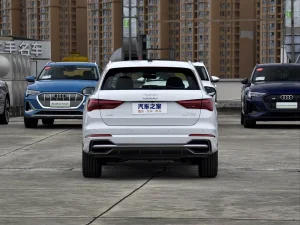
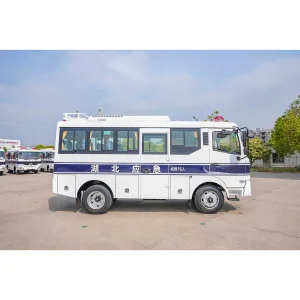
| Multi-Passenger Minibuses | High-efficiency ICE/Hybrid Configs | Optimized fuel consumption, high capacity payload | Corporate transport, tour operator routing |
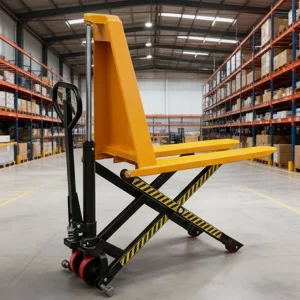
| Hydraulic Lift Equipment | Manual Hydraulic / Electric Scissor | Manual carbon-neutral cargo handling, heavy duty load capacity | Zero-emission warehousing, clean indoor manufacturing |
Almax Auto is a comprehensive automotive export service company dedicated to promoting Chinese automobiles to the global market. For many years, we have focused on new and used car exports, leveraging China's strong automotive manufacturing and supply chain advantages to provide global clients with efficient, safe, and transparent one-stop automotive export solutions.
By building deep alliances with top tier OEMs, we ensure our global partners get direct access to cutting-edge electric models, reliable passenger vans, heavy-duty warehouse equipment, and precision engineered mechanical components.
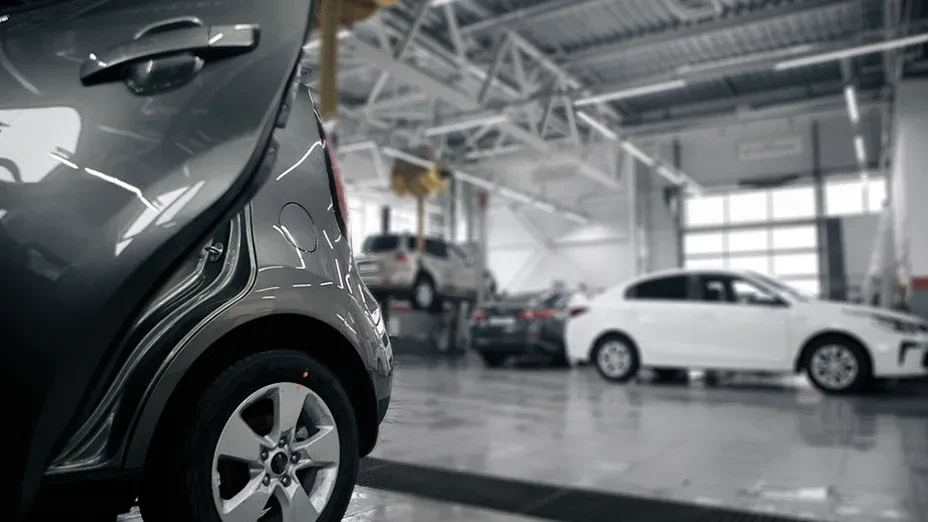
Our headquarters are located in China, with automotive export bases in Wuhu and Guangzhou, covering the entire process from vehicle procurement, inspection, preparation, customs clearance, and logistics.
Simultaneously, we have established offline stores and service centers in Cambodia, Algeria, and Rwanda, providing overseas clients with vehicle display, sales, and after-sales support, truly realizing our strategic layout of "from Made in China to Global Service."

We deeply understand that every vehicle represents trust. Based on a professional team, strict quality control, and international trade experience, Almax Auto provides clients with a one-stop export service from vehicle selection, inspection, customs clearance to delivery, making it easier for overseas partners to purchase and sell Chinese automobiles.
We will continue to expand our overseas market network, promoting more high-quality Chinese brands and models to enter the international market, becoming a bridge connecting the Chinese automotive industry with global consumers. Partnering with us is straightforward: inquiry, vehicle customization and procurement, certification verification, shipping logistics, and continuous localized after-sales support.

Sustainable transportation is not a one-size-fits-all solution. Depending on local geography, energy infrastructure, and economic policies, target markets adopt varied fleet profiles:
In high-density urban areas, rapid logistics growth requires low-emission passenger vans and commercial delivery trucks. As grid infrastructure matures, businesses use hybrid minivans and electric cargo trucks to balance cost against charging availability, cutting operational overheads in grid-restricted zones.
Diverse terrains call for durable logistics fleets. In this region, high-capacity commuter minibuses and durable 4x4 drivetrains are essential. Maximizing fuel-efficiency through optimal engine parts, clean-burn spark plugs, and low-friction brake pads ensures lower regional footprints.
With national policies prioritizing environmental conservation, regional centers are deploying pure electric commercial fleets. Zero-emission light duty cargo transport, backed by solar-powered battery swapping hubs, is transforming urban delivery systems.
The transport industry's technological path is shifting from simple electrification to integrated smart systems. Five key dimensions drive this transformation:
While LFP (Lithium Iron Phosphate) remains the standard for commercial transit due to thermal stability and long cycle life, the industry is transitioning toward semi-solid and solid-state batteries. These offer higher energy densities and faster charging cycles.
Integrating 3-in-1 and 8-in-1 electric drive assemblies reduces weight, optimizes space, and increases motor efficiency. This directly translates to longer ranges for urban delivery vehicles like the BYD T5DM.
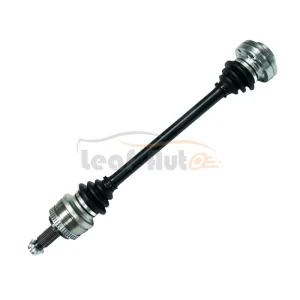
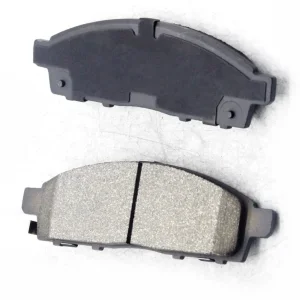
The remanufacturing of mechanical and wear parts, such as driveshafts, brake pads, and ignition systems, ensures circularity. Re-using structural components reduces the lifecycle carbon footprint of fleet maintenance.
Driver assistance technologies (ADAS) optimize acceleration and regenerative braking profiles. Integrated telematics minimize energy consumption by analyzing traffic, routing, and vehicle load in real time.
For long-haul heavy transport, hydrogen fuel cells present a promising option alongside battery storage. Their fast fueling and long range make them a key technology for cross-continental commercial corridors.
China's leadership in the global electric vehicle and transport component supply chains is built on integrated production clusters. Ports in Guangzhou and Wuhu are connected to extensive ecosystems that manufacture every component, from raw battery cells to structural body panels and precise chassis systems.
This structural integration brings three major benefits to international B2B buyers:
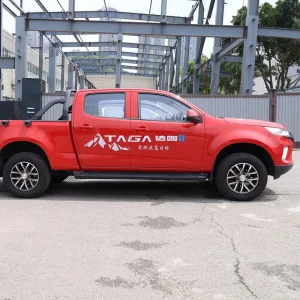

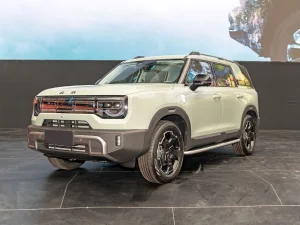
Exporting vehicles requires strict adherence to international trade regulations and safety standards. Almax Auto ensures every vehicle and components batch complies with relevant regional certifications, including:
Ensuring standard homologation alignment for European and Middle Eastern regions, covering structural integrity, light emission tests, and powertrain safety metrics.
Handling duty classifications, country of origin certifications, and regional tariff paperwork to guarantee smooth port clearances in destination markets.
With physical service outlets in Cambodia, Algeria, and Rwanda, we provide technical training, spare parts management, and maintenance support to keep your fleet operational.