Almax Auto
Almax Auto
Almax Auto
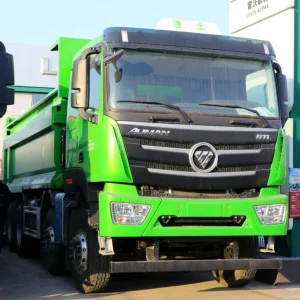
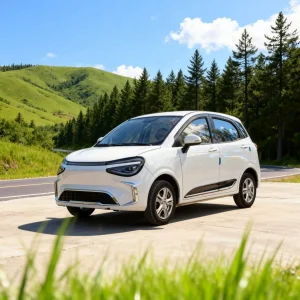
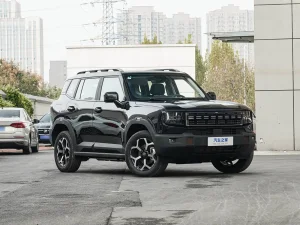
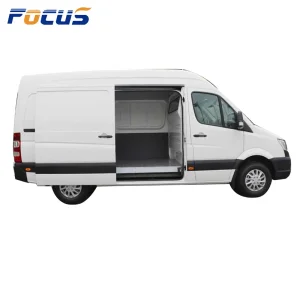
Explore our premium machinery, heavy transport, and clean energy commercial vehicles optimized for high-performance municipal and industrial applications.
A strategic analysis of modern transit upgrades, optimizing Total Cost of Ownership (TCO), and accelerating net-zero municipal goals.
As metropolitan centers worldwide confront the dual challenges of climate regulations and volatile fossil fuel pricing, the conversion of municipal transit and corporate bus fleets to sustainable energy frameworks has transitioned from a future projection to an immediate operational directive. Traditional Internal Combustion Engine (ICE) transit networks are fast becoming economically unfeasible and environmentally non-compliant under escalating Euro VI, EPA, and localized zero-emission zones (ZEZs).
While complete electrification represents the ultimate theoretical target, severe constraints regarding infrastructure capital expenditure (CAPEX), localized electrical grid capacities, and cold-weather battery degradation make immediate, pure Battery Electric Vehicle (BEV) deployment risky for many transit authorities. Herein lies the immense strategic value of hybrid bus powertrains. By utilizing parallel, series, and plug-in hybrid electric layouts, transit networks can achieve immediate emissions reduction of 30% to 50%, expand route flexibility without range anxiety, and establish a modular baseline for future grid-tied integration.
"China's advanced bus manufacturing clusters command over 60% of the global market share for electrified transit systems, leveraging unparalleled battery supply chain integration, precision engineering, and scale economics."
Different markets present distinct regulatory, climatic, and financial requirements. We dissect the specific procurement targets for key regions.
Driven by the strict European Clean Vehicles Directive and Euro 6e/VII emission standards. Procurement demands prioritize ultra-low noise signatures, advanced driver-assistance systems (ADAS) complying with GSR (General Safety Regulation), and direct compatibility with CCS Combo 2 charging plugs for plug-in configurations.
Key focus revolves around heavy-duty monocoque frame standards (FTA Alturas Testing/FMVSS compliance), robust HVAC capability to handle extreme summer/winter operations, and Buy America compliance considerations. Integrators demand hybrid layouts capable of sustained freeway commuter speeds alongside urban stop-and-go regenerative cycles.
Demands highlight dust-proof, high-temperature tolerance systems, heavy suspension upgrades for challenging road topologies, and simplified diagnostic interfaces. Operators in these areas look for hybrid solutions that offer extreme fuel savings and durability without demanding complex, grid-dependent infrastructure.
Focuses on high passenger capacity layouts (double-deckers and articulated buses), anti-humidity and corrosion-resistant coatings, and integration with local tap-to-pay transit ticketing systems. Cost-efficient, high-reliability powertrain setups are highly preferred.
Understanding the internal engineering differences that govern fuel economy, range, and longevity.
Utilizing advanced clutches and planetary gear sets to enable the bus to run on pure electric power, pure engine power, or a combination of both. This delivers optimal engine efficiency across both stop-and-go city routes and high-speed bypasses. High torque output is guaranteed at zero RPM.
Sourced from world-leading Gigafactories in China, utilizing safe, thermal-runaway resistant LFP chemistry. Our battery systems feature intelligent Liquid Cooling/Heating Systems (BTMS) that keep cells at an optimal 25°C-35°C temperature envelope, maximizing lifespan to over 8,000 cycles.
High-efficiency energy recuperation system integrated directly with the Electronic Braking System (EBS). It captures kinetic energy during deceleration, converting it back into electrical energy to charge the high-voltage pack, resulting in up to 35% reduction in brake pad wear and significant fuel savings.
Transitioning from diesel to hybrid requires more than just buying buses; it demands a systematic structural solution.

We analyze route profiles, topography maps, and ambient climate data using predictive software to recommend the exact battery capacity, engine displacement, and hybrid configurations required. This ensures you do not overpay for excess battery weight or suffer from underpowered drivetrains on steep urban grades.
For Plug-in Hybrid Fleets (PHEV), we design and supply scalable smart charging yards. Integrating high-power DC fast-charging setups (ranging from 150kW to 360kW) with intelligent load management systems ensures charging peaks do not overwhelm localized grid supplies.
Every vehicle exported features advanced CAN-bus integrated telematics modules. Real-time data streams provide depot managers with instant feedback on fuel levels, battery state-of-health (SoH), driver braking habits, and preventative maintenance warnings before components fail.
Bridging China's top-tier automotive manufacturing ecosystem with global municipal and commercial buyers.
Almax Auto is a comprehensive automotive export service company dedicated to promoting Chinese automobiles to the global market. For many years, we have focused on new and used car exports, leveraging China's strong automotive manufacturing and supply chain advantages to provide global clients with efficient, safe, and transparent one-stop automotive export solutions.
Our headquarters are located in China, with automotive export bases in Wuhu and Guangzhou, covering the entire process from vehicle procurement, inspection, preparation, customs clearance, and logistics. Simultaneously, we have established offline stores and service centers in Cambodia, Algeria, and Rwanda, providing overseas clients with vehicle display, sales, and after-sales support, truly realizing our strategic layout of "from Made in China to Global Service."

We deeply understand that every vehicle represents trust. Based on a professional team, strict quality control, and international trade experience, Almax Auto provides clients with a one-stop export service from vehicle selection, inspection, customs clearance to delivery, making it easier for overseas partners to purchase and sell Chinese automobiles. We handle complex customs declarations, RORO shipping configurations, and port clearances so you can focus on route operations.
A streamlined, multi-phase procurement process ensures transparency, exact specification adherence, and operational compliance.
Collaborate with our engineering team to define seating capacity, drivetrain parameters, battery chemistry, and regional safety homologation rules.
Comprehensive pre-delivery inspections (PDI) covering battery thermal safety checks, software diagnostics, and physical component testing.
Handling all export documentation, custom clearances, and multimodal transport logistics (RORO/Container/Railways) directly to your destination port.
Providing diagnostic software suites, localized replacement parts packages, and hands-on maintenance training for your technical crew.
Addressing the critical questions asked by transit planners, engineers, and supply chain managers.
Partnering with China's largest automotive hubs to deliver robust heavy vehicles, luxury minivans, and electrical parts worldwide.