Almax Auto
Almax Auto
Almax Auto
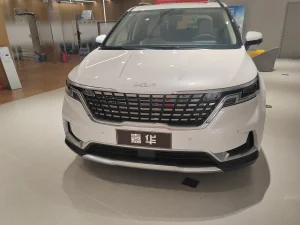
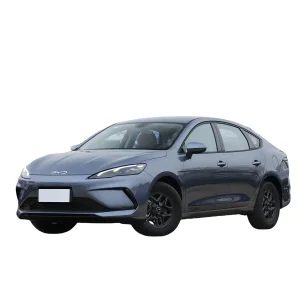
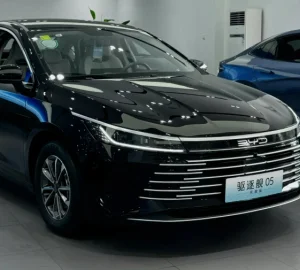
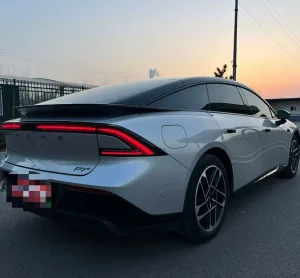
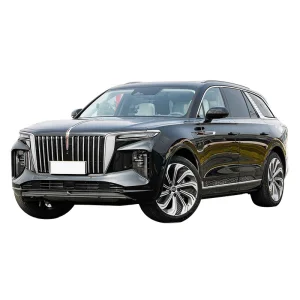
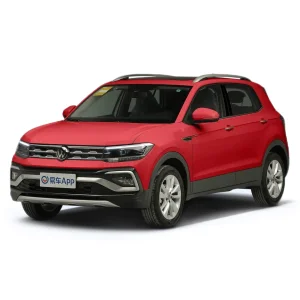
Explore our diverse lineup of premium passenger, commercial, and recreational new energy vehicles sourced directly from China's leading manufacturing hubs.
An authoritative analysis of the macroeconomic forces shifting logistics and passenger transit toward eco-friendly solutions.
The international transport sector accounts for approximately 24% of global direct carbon dioxide emissions. As municipal governments roll out strict environmental legislations (such as the EU's "Fit for 55" framework and the US EPA's multi-pollutant emission standards), the commercial imperative has evolved from a matter of public relations to an absolute baseline requirement for corporate survival. Supply chain and logistics procurement managers are shifting away from traditional internal combustion engine (ICE) vehicles to curb operational costs under rising carbon taxation schemes.
The industry is transitioning toward multi-energy architectures. While Battery Electric Vehicles (BEVs) dominate urban commuter and last-mile logistics segments, Plug-in Hybrid Electric Vehicles (PHEVs) and Extended Range Electric Vehicles (EREVs) act as the preferred solution for regional transport, offering dual-fuel backup options and eliminating infrastructure-based range anxieties.
Modem eco-friendly vehicles serve as mobile computing platforms. Incorporating AI-driven Over-The-Air (OTA) firmware updates, predictive thermal management for battery arrays, and telematics systems integrated into global fleet management software improves operational visibility and enhances preventive maintenance routines.
Leading suppliers are implementing strict Life Cycle Assessments (LCAs), tracing battery materials back to ethical sources, incorporating recycled aluminum into structural chassis components, and adopting eco-friendly interior composites to satisfy the requirements of ESG audits from international buyers.
Why sourcing from Chinese automotive clusters offers unprecedented advantages in manufacturing capacity, cost control, and component security.
The concentration of high-technology automotive manufacturing in China has created a highly integrated ecosystem where components travel mere miles between suppliers before final vehicle assembly. This layout provides unparalleled supply chain resilience, allowing Chinese factories to adapt to global materials shortages and maintain uninterrupted production schedules.
Chinese suppliers hold significant global refining capacity for crucial battery minerals (Lithium, Cobalt, Nickel, Manganese). Having cell manufacturers located near vehicle assembly plants avoids international transport delays and minimizes the carbon footprint of battery pack logistics.
By using IoT networks and robotic assembly lines, Chinese OEMs achieve high production precision and fast delivery turnaround times. Autonomous guided vehicles (AGVs) carry heavy chassis assemblies, while automated visual inspection systems powered by AI check tolerances to guarantee global quality consistency.
China's smart manufacturing infrastructure enables mixed-model assembly lines. The same facility can produce battery-electric passenger sedans, plug-in hybrid multi-purpose vans, and commercial pick-up models simultaneously, adjusting output quickly based on shifting international demand.
How our vehicle exports adapt to distinct climate zones, regulatory requirements, and local charging infrastructure profiles.
In regions such as the Middle East and North Africa, extreme heat challenges battery durability and cabin cooling systems. Our vehicles feature active liquid cooling battery management systems (BMS) with high thermal thresholds, keeping operating temperatures within safe limits and preserving battery life.
For nations building out their public charging grids, we export highly adaptable plug-in hybrid models (PHEV) and vehicles that support dual slow-charging and fast-charging standards. These vehicles charge on standard 220V household outlets and match international DC CCS Combo or CHAdeMO stations.
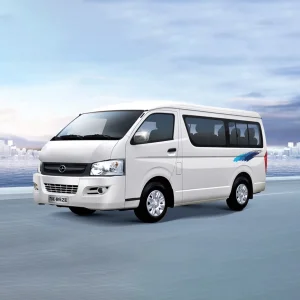
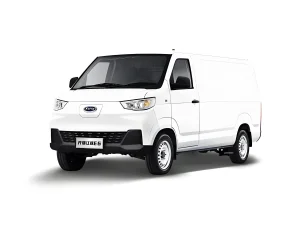
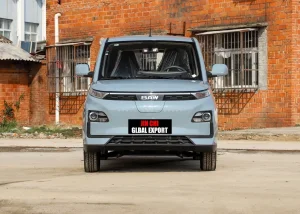
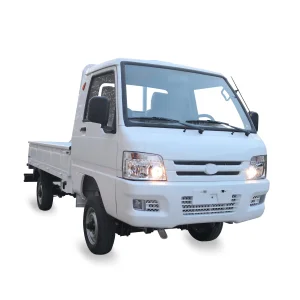
Congested cities need high-capacity commercial logistics vehicles with small footprints. Our electric mini vans offer large interior load volumes and short wheelbases for tight streets, helping commercial operations lower their per-kilometer delivery costs.
Almax Auto: Linking China's Advanced Auto Industry to the Global Market
Almax Auto is a comprehensive automotive export service company dedicated to promoting Chinese automobiles to the global market. For many years, we have focused on new and used car exports, leveraging China's strong automotive manufacturing and supply chain advantages to provide global clients with efficient, safe, and transparent one-stop automotive export solutions.
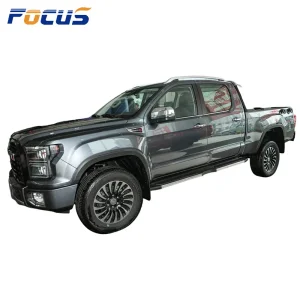
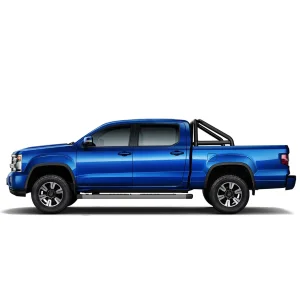
By working closely with prominent Chinese OEMs, we supply a wide range of vehicles, from low-emission city commuter electric vehicles to long-haul commercial delivery vans, high-performance sports cars, and heavy-duty 4x4 pickup trucks.
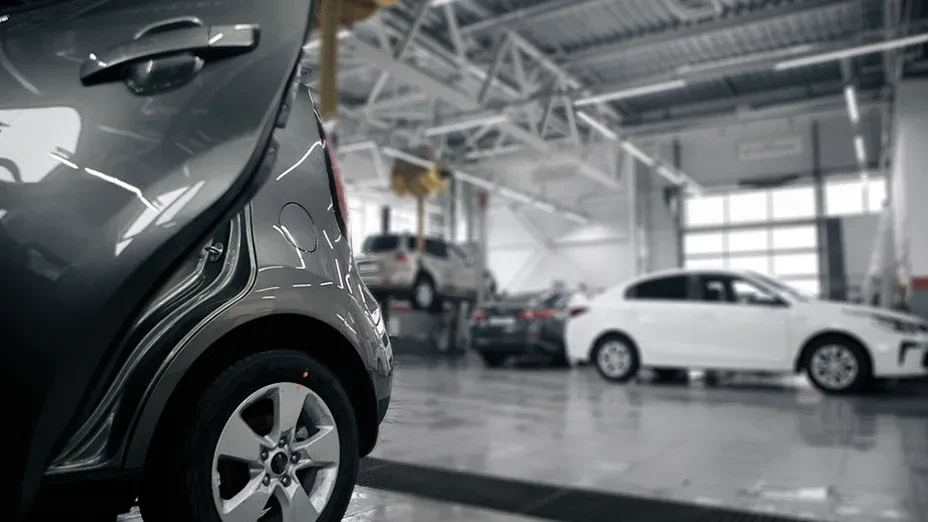

Our headquarters are located in China, with automotive export bases in Wuhu and Guangzhou, covering the entire process from vehicle procurement, inspection, preparation, customs clearance, and logistics.
Simultaneously, we have established offline stores and service centers in Cambodia, Algeria, and Rwanda, providing overseas clients with vehicle display, sales, and after-sales support, truly realizing our strategic layout of "from Made in China to Global Service."
We deeply understand that every vehicle represents trust. Based on a professional team, strict quality control, and international trade experience, Almax Auto provides clients with a one-stop export service from vehicle selection, inspection, customs clearance to delivery, making it easier for overseas partners to purchase and sell Chinese automobiles.
Our shipping operations offer roll-on/roll-off (RoRo) transport, containerized shipping, and overland rail transport across Eurasia, ensuring secure and cost-efficient vehicle delivery.

A simple, transparent, four-step process for secure vehicle importing and global distribution logistics.
We will continue to expand our overseas market network, promoting more high-quality Chinese brands and models to enter the international market, becoming a bridge connecting the Chinese automotive industry with global consumers.
Submit your model requirements, fuel preferences (BEV, PHEV, ICE), and total order volume to our trade team.
Get CIF/FOB pricing with configurations tailored to your local market's electrical and safety standards.
Vehicles undergo a thorough check covering structural elements, battery diagnostics, and test drives at our Guangzhou or Wuhu bases.
We handle all customs clearances, port paperwork, and ocean shipping, delivering the vehicles directly to your destination port.
Expert answers to common questions about battery lifespans, shipping logistics, and compliance when importing vehicles from China.
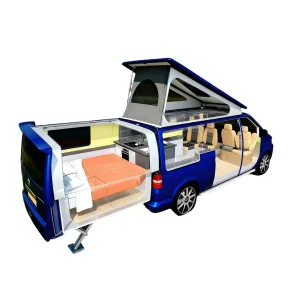
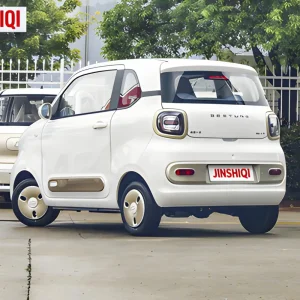
Select from our additional eco-friendly and compact vehicles for urban and recreational fleets.