Almax Auto
Almax Auto
Almax Auto
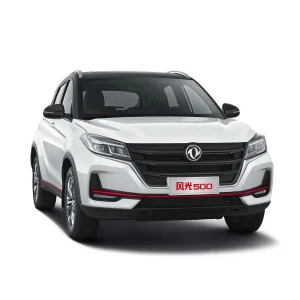
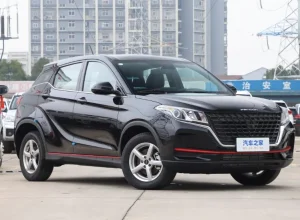
The global automotive landscape has witnessed a tectonic shift over the last decade, with the 5 Seater Compact SUV emerging as the most dominant segment in both developed and emerging markets. As consumers move away from traditional sedans, the compact SUV offers a "sweet spot" of utility, fuel efficiency, and elevated driving positions. Today, this industry is not just about transportation; it is a convergence of high-tech manufacturing, sustainable engineering, and complex global supply chains.
In terms of industrial output, the 5-seater compact SUV sector accounts for approximately 35% of all light vehicle sales globally. Factories are increasingly adopting Industry 4.0 standards, utilizing AI-driven robotics and real-time data analytics to maintain rigorous quality control. For B2B buyers and global distributors, understanding the manufacturing origin is crucial, as regional expertise often dictates the vehicle's suitability for specific terrains and climates.
EV Market Penetration by 2030
Standard ADAS Features
Weight Reduction via New Alloys
Smart Connectivity Integration
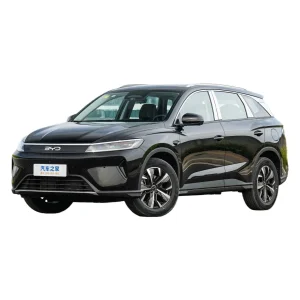
The future of 5-seater compact SUVs is being written by three major forces: Electrification, Intelligence, and Sustainability. We are observing a rapid transition from internal combustion engines (ICE) to Plug-in Hybrids (PHEV) and Battery Electric Vehicles (BEV). Models like the BYD Sealion 05 and Fengon E380 represent the vanguard of this movement, offering long ranges and fast-charging capabilities that meet urban commuter needs.
Furthermore, the "Smart Cockpit" is no longer a luxury but a standard requirement. Interactive touch screens, AI voice assistants, and seamless smartphone integration are vital components that manufacturers must provide to remain competitive. On the industrial side, there is a massive push toward using recycled materials for interior trims and lightweight aluminum components to increase energy efficiency without compromising passenger safety.
International procurement for 5-seater SUVs varies significantly by region. In Southeast Asia and Africa, there is a high demand for robust suspension systems and high ground clearance to navigate diverse road conditions. In contrast, European and Middle Eastern markets prioritize high-speed stability, advanced driver-assistance systems (ADAS), and luxury interior finishes.
Localization is the key to success. A 5-seater SUV manufactured for the Chinese domestic market may require specific tropicalization—enhanced air conditioning systems and rust-proofing—before being exported to South American or African coastal regions. As a professional exporter, Almax Auto ensures that every vehicle meets the localized regulatory standards (such as Euro V/VI or GCC specifications) and environmental requirements of the destination country.
Almax Auto is a comprehensive automotive export service company dedicated to promoting Chinese automobiles to the global market. For many years, we have focused on new and used car exports, leveraging China's strong automotive manufacturing and supply chain advantages to provide global clients with efficient, safe, and transparent one-stop automotive export solutions.

Our headquarters are located in China, with automotive export bases in Wuhu and Guangzhou, covering the entire process from vehicle procurement, inspection, preparation, customs clearance, and logistics. Simultaneously, we have established offline stores and service centers in Cambodia, Algeria, and Rwanda, providing overseas clients with vehicle display, sales, and after-sales support, truly realizing our strategic layout of "from Made in China to Global Service."

We deeply understand that every vehicle represents trust. Based on a professional team, strict quality control, and international trade experience, Almax Auto provides clients with a one-stop export service from vehicle selection, inspection, customs clearance to delivery, making it easier for overseas partners to purchase and sell Chinese automobiles.
We will continue to expand our overseas market network, promoting more high-quality Chinese brands and models to enter the international market, becoming a bridge connecting the Chinese automotive industry with global consumers.
Choosing a 5-seater compact SUV from a Chinese manufacturer today is a strategic decision backed by immense technological progress. China has become the world’s largest automotive exporter, and for good reason: