 Almax Auto
By 2026, a vehicle’s standard equipment may include automatic emergency braking, a rearview camera, stability control, and smartphone connectivity. But “standard” does not mean identical across brands, trims, or markets. Buyers should check the exact specification sheet, not assume every advertised feature comes with the base model. Small print matters.
The safety case is measurable. An Insurance Institute for Highway Safety (IIHS) real-world study found that forward collision prevention with automatic braking reduced rear-end crashes by about 50 percent. The National Highway Traffic Safety Administration (NHTSA) reported 40,901 U.S. traffic fatalities in 2023, underscoring why safety equipment deserves careful attention. Neither figure means driver-assistance systems prevent every crash. They support a more modest point: well-designed technology can help, but its limits matter.
This guide examines Standard Features In Modern Vehicles, including passive safety, driver assistance, comfort, connectivity, and practical controls. It also separates genuinely useful equipment from features that mainly add screens or menus. A lane-keeping alert can be reassuring on a long highway drive; a confusing warning can distract at the wrong moment. Not every feature helps every driver. Even a well-equipped car can feel awkward in daily use, and that deserves honest attention. Availability changes quickly, so confirm current model-year details with the manufacturer or dealer before comparing vehicles.
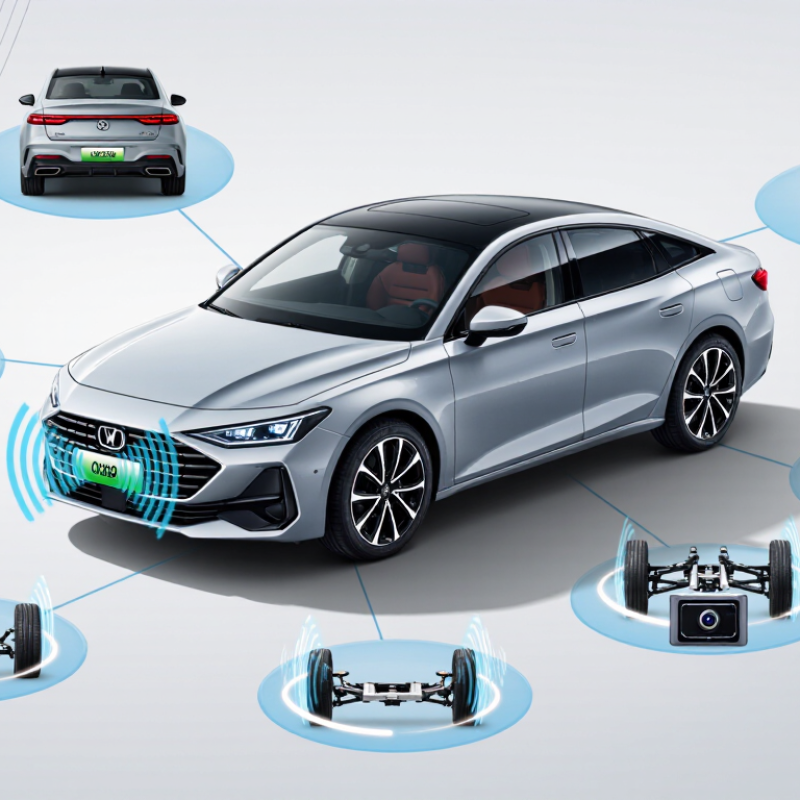
Defining Standard Equipment in 2026 Vehicles
“Standard equipment” means features included in a vehicle’s base configuration, not just items shown in a heavily equipped display model. The exact list can differ by country, body style, and trim. A careful buyer should check the specification sheet for the specific vehicle being considered. Small print matters.
Many 2026 vehicles include core safety equipment such as multiple airbags, stability control, and a rearview camera, though availability and requirements vary by market. Some also provide automatic emergency braking or lane-departure warnings as standard. These systems can help in particular situations, but they do not replace attentive driving. A warning beep is not a second pair of eyes.
Everyday equipment may include air conditioning, adjustable seating, power windows, and a central display with phone connectivity. Yet a screen’s presence does not guarantee navigation, wireless connection, or a particular set of apps. Check what works without a subscription and what requires a cable. That matters. Standard can also describe basic versions of driver assistance, while advanced functions remain optional. I would not assume a feature is included because it appears in a vehicle’s advertising; confirm it in the written equipment list and, when possible, test it in the cabin. The definition is useful, but it is not always as simple as it sounds.
Standard equipment varies by vehicle, trim level, and market. This overview summarizes features commonly included in new vehicles or required by local regulations; availability should be confirmed for the specific vehicle.
| Feature Area | Typical Equipment | Typical 2026 Availability | What to Check |
|---|---|---|---|
| Occupant protection | Seat belts, airbags, head restraints, and a reinforced passenger-safety structure | Common baseline equipment; exact requirements and airbag configurations vary by market | Review the safety specification and the vehicle’s crash-test information for the relevant market |
| Active safety | Electronic stability control, anti-lock braking, and traction control | Widely fitted; some systems are required by regional regulations | System names and functions differ; these features do not replace attentive driving |
| Driver assistance | Rear-view camera and, on many new vehicles, automatic emergency braking or lane-departure assistance | Camera availability is common and may be legally required; other assistance features vary by market and trim | Check whether the system detects pedestrians or cyclists and what operating conditions apply |
| Parking support | Rear parking sensors or front sensors, depending on vehicle and trim | Common on many models, but not universal across entry-level configurations | A rear camera and parking sensors are separate features; confirm which are included |
| Infotainment | Central display, audio system, and Bluetooth connectivity | Common on new vehicles; screen size and functions vary | Check for wired or wireless smartphone integration, if required |
| Power and charging | USB charging or power outlets; the number and connector type depend on configuration | Common, though outlet placement and charging capability vary | Confirm connector type, charging speed, and whether rear-seat ports are included |
| Climate and comfort | Heating, ventilation, and air conditioning; power windows are common | Climate control is widely available; automatic climate control may depend on trim | Check for rear vents, heated seats, and other comfort features separately |
| Lighting and visibility | Headlamps, tail lamps, windshield wipers, and rear-window defogger on many vehicles | Basic lighting is essential equipment; automatic lighting and advanced lamp functions vary | Verify lamp type and any automatic high-beam or rain-sensing functions |
| Convenience | Remote key entry or keyless access, adjustable steering wheel, and power-adjustable mirrors on many models | Availability differs by trim and market | Keyless access does not necessarily include push-button starting |
| Vehicle monitoring | Instrument display with speed, fuel or battery information, warning indicators, and trip data | Standard in some form; display format and additional data vary | For electrified vehicles, check the display for charging and energy-use information |
| Warranty and roadside support | Warranty coverage is supplied according to the seller’s and manufacturer’s terms; roadside assistance may be included | Terms and included services vary substantially by market and vehicle | Check coverage duration, mileage limits, exclusions, and assistance eligibility |
Note: “Standard” means included in a particular vehicle configuration, not guaranteed across every 2026 vehicle. Consult the official specification sheet and local regulations before comparing equipment.
No. Airbags work with seat belts, not instead of them. Wear your belt on every trip.
Adjust the head restraint so it sits correctly behind your head. Seat position matters.
Pretensioners tighten seat belts during a crash. Load limiters help manage pressure on the chest.
Features may include emergency braking, collision alerts, lane warnings, and blind-spot monitoring. Equipment varies by vehicle and trim.
No. Rain, glare, dirt, or faint lane markings can affect performance. They are not guarantees.
Stay calm and take control. The system may have missed something—or noticed something you did not.
Keep their areas clean, especially after a muddy drive. Check the manual to understand each alert.
It can flag a nearby vehicle, but it cannot judge every situation. It is easy to trust the icon too much.
Standard Features In Modern Vehicles in 2026 extend beyond basic transportation, combining essential equipment with technologies designed to support safety, convenience, and everyday comfort. Standard equipment varies by vehicle class and configuration, but commonly includes core occupant-protection features such as seat belts, airbags, anti-lock braking, and stability control. Many vehicles also provide driver-assistance and collision-avoidance systems, which can alert drivers to potential hazards or help them respond to changing road conditions.
Connectivity and infotainment are increasingly central to the driving experience, with digital displays, smartphone integration, voice controls, and built-in navigation available in many models. Comfort features may include climate control, adjustable seating, keyless entry, and practical storage, with the exact selection shaped by the vehicle’s size and purpose. Together, these features reflect how modern vehicles balance fundamental protection with useful digital tools and a more comfortable cabin.
