Almax Auto
Adjusting tire pressure according to the season is crucial for optimal vehicle performance. A comprehensive Seasonal Tire Pressure Adjustment Guide will help drivers maintain safety and efficiency. Many overlook the importance of proper tire pressure, yet it can significantly impact fuel efficiency and tire longevity.
In colder months, tire pressure usually drops. This can lead to decreased traction and increased wear. Conversely, warmer months can cause tire pressure to rise, potentially causing blowouts. Understanding these changes is key for safe driving.
By following a reliable guide, you can ensure your tires are always properly inflated. This guide is not just about numbers; it’s about performance and safety on the road. Reflecting on your habits can lead to better practices. It's essential to routinely check tire pressure, especially during seasonal transitions.
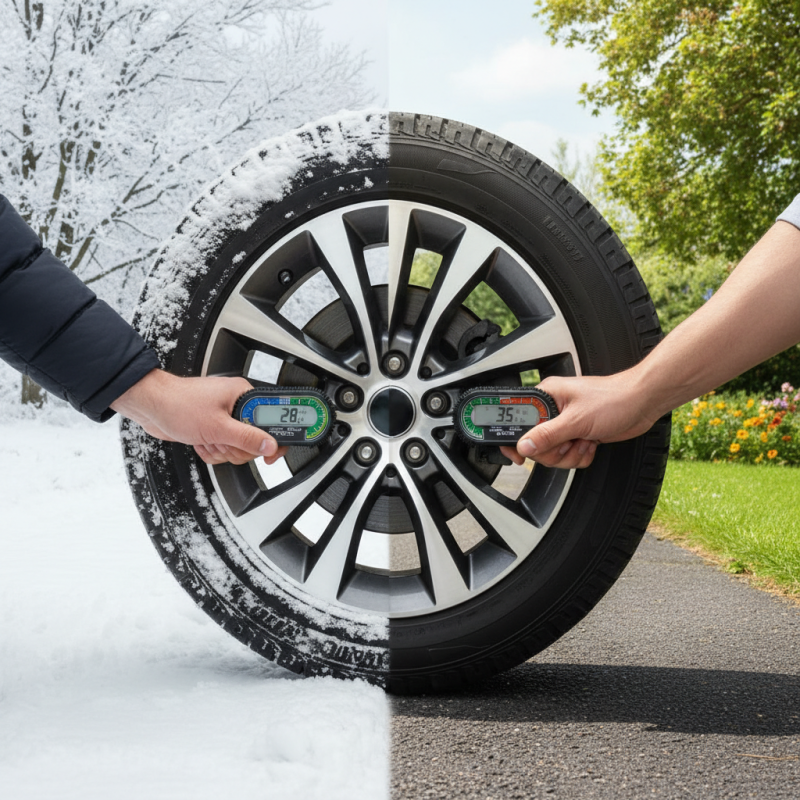
Understanding seasonal tire pressure is crucial for safety and performance. As temperatures change, tire pressure fluctuates significantly. For every 10°F drop in temperature, tire pressure can decrease by approximately 1 PSI. This means that during winter months, drivers often find themselves with under-inflated tires, leading to reduced grip, increased tire wear, and compromised fuel efficiency.
Moreover, the optimal tire pressure is essential for maintaining vehicle stability. According to the National Highway Traffic Safety Administration (NHTSA), properly inflated tires improve handling and braking. They also enhance fuel economy by up to 3% when maintained at proper levels. However, many drivers overlook these simple adjustments. A study revealed that nearly 25% of vehicles have at least one under-inflated tire. This negligence can lead to serious consequences.
In summer, tire pressure increases with rising temperatures, sometimes exceeding safe limits. Over-inflated tires can lead to blowouts, especially under high temperatures. This heightened risk makes it essential to regularly monitor and adjust tire pressure with the changing seasons. Many drivers struggle with consistency. They often forget to check tire pressures, leading to potential hazards. Adapting to seasonal changes in tire pressure is not merely a good practice; it's a necessity for road safety.
Tire pressure can fluctuate significantly with the changing seasons. The rule of thumb is that tire pressure will decrease by about 1 psi for every 10°F drop in temperature. Therefore, if winter temperatures drop from 70°F to 30°F, tire pressure can fall by as much as 4 psi. This reduction affects handling, fuel efficiency, and tire wear.
Humidity and road conditions also play vital roles. In warmer months, humidity can cause tire pressure to increase. Increased temperature from driving can further elevate pressures. A study from the National Highway Traffic Safety Administration (NHTSA) shows that tires inflated above recommended levels face a higher risk of blowouts and uneven wear. Monitoring tire pressure regularly is crucial as underinflated or overinflated tires can lead to accidents.
Additionally, changes in load can influence tire pressure. Summer travels may involve higher loads due to vacations. The Tire Industry Association suggests adjusting tire pressure based on load weight to maintain optimal performance. Tire professionals recommend investigating your vehicle’s specifications to ensure proper inflation across seasons. Ignoring this can lead to costly repairs and safety concerns. Each season demands attention, care, and adjustments for safe driving.
Adjusting tire pressure for each season is crucial for optimal vehicle performance. In summer, high temperatures can increase tire pressure. Check your tires before a long trip. Aim for the manufacturer's recommended pressure. When temperatures rise, tires can expand. Over-inflation may lead to blowouts.
In winter, cold weather can drop tire pressure significantly. A loss of 1 PSI occurs for every 10-degree Fahrenheit decrease. Inspect your tires regularly, ideally once a month. Under-inflation can cause poor traction and control. Fill tires to the recommended pressure to ensure safety on icy roads.
Ensure your tires are cold when you check the pressure. Morning checks can provide a more accurate reading. If you notice inconsistencies, consider re-evaluating your measurements. It's essential to maintain both pressure and tread depth throughout the year. This practice may improve fuel efficiency and extend tire life. Refresh your knowledge every season; it helps avoid costly mistakes.
This chart represents the recommended tire pressure adjustments for different seasons based on temperature variations. Tire pressure is crucial for optimal vehicle performance and safety.
When adjusting tire pressure, common mistakes often lead to safety issues. One common error is checking tire pressure when the tires are cold. Temperature changes can lead to inaccurate readings. Always check your tire pressure before driving. This small step can ensure that your readings are accurate.
Another mistake is overinflating or underinflating tires. Too much air can cause a harsh ride and uneven tire wear. Conversely, too little pressure can lead to poor handling and increased fuel consumption. Aim for the manufacturer’s recommended pressure for optimal performance. It’s important to have a reliable pressure gauge to avoid miscalculations.
Many drivers neglect to adjust tire pressure seasonally. As temperatures drop or rise, air density changes. Keep in mind that tire pressure decreases in colder months. Regular checks are essential to address this issue. Ignoring these adjustments can result in decreased traction, especially during inclement weather. Don't underestimate how slight alterations can impact driving safety and fuel efficiency.
Maintaining optimal tire pressure year-round is crucial for safety and performance. According to the American Automobile Association (AAA), under-inflated tires can reduce fuel efficiency by about 3%. It’s important to check tire pressure regularly, especially with changing temperatures. Tire pressure can drop by 1 psi for every 10°F decrease in temperature.
Tips for optimal maintenance include checking your tire pressure at least once a month. Use a reliable gauge. Ideally, tire pressure should be set according to your vehicle’s manufacturer specifications, usually found in the owner’s manual. Keep in mind that over-inflated tires can lead to uneven wear and a harsher ride.
Watch for signs of wear, such as vibrations or noise while driving. Inspect the tread regularly. A depth of 2/32 of an inch or less indicates it’s time for new tires. Adjustments should be made to accommodate seasonal changes. In colder months, ensure pressures are adjusted to prevent issues on icy roads. Regular maintenance will enhance safety and extend the life of your tires, but skipping checks can lead to serious consequences.
| Season | Recommended Tire Pressure (PSI) | Adjustments Needed | Best Practices |
|---|---|---|---|
| Winter | 30-32 | Increase by 2-3 PSI | Check at least once a month |
| Spring | 32-34 | Adjust based on temperature changes | Inspect for wear and tear |
| Summer | 34-36 | Consider decreasing by 2 PSI | Keep tires cool and check pressure weekly |
| Fall | 30-32 | Increase if needed for colder temps | Ensure proper tread depth for rain |
: Tire pressure drops or rises with temperature changes. For every 10°F drop, pressure decreases by about 1 psi.
Check your tire pressure before driving. Aim for the manufacturer's recommended pressure to avoid blowouts.
Check when tires are cold, ideally in the morning. This gives a more accurate reading.
Neglecting adjustments can lead to poor traction and increased fuel consumption. This affects safety.
Higher loads, like during summer vacations, require adjustments. Ensure proper inflation based on load weight.
Common errors include checking pressure when tires are warm or failing to adjust seasonally. This leads to miscalculations.
Overinflating can cause a harsh ride and uneven wear. Always aim for the recommended tire pressure.
Ideally, check tires at least once a month. Regular inspections help maintain safety and performance.
In summer, high humidity can increase tire pressure, complicating readings. Monitor tire pressure regularly.
Yes, even small adjustments greatly influence traction, fuel efficiency, and tire life. Don't underestimate their importance.
The "Seasonal Tire Pressure Adjustment Guide" emphasizes the importance of understanding how tire pressure changes with the seasons. Factors such as temperature fluctuations and humidity can significantly influence tire pressure, making it essential to regularly check and adjust.
The guide provides a step-by-step method for adjusting tire pressure tailored to each season, helping drivers maintain optimal performance and safety. It also highlights common mistakes to avoid during adjustments, such as neglecting to check pressure when tires are cold. Additionally, it offers tips for maintaining proper tire pressure year-round, ensuring that vehicles operate efficiently regardless of weather conditions. Following this guide can enhance overall driving experience and prolong tire life.
