Owning a used SUV can be a smart choice. They offer plenty of space and sturdy performance at a fraction of the cost of new models. However, maintaining these vehicles can feel overwhelming. This is where "Affordable Maintenance For Used SUVs" comes into play. Proper upkeep not only extends the life of your vehicle but also keeps it running smoothly and reliably.
Many SUV owners struggle with maintenance. They often face unexpected repairs and rising costs. Implementing simple, budget-friendly maintenance tips can alleviate these concerns. Regular inspections and DIY tasks can save money and foster a better understanding of your vehicle. Learning about your SUV can empower you as an owner. Each small effort contributes to its longevity and your satisfaction.
Owning a used SUV doesn't have to break the bank. With the right maintenance strategies, you can enjoy your vehicle without constant worry. It’s about creating a balance between cost and care. Take the time to learn these tips. Reflect on your habits and adjust them. Doing so will lead to a more enjoyable driving experience and may even bring unexpected savings.
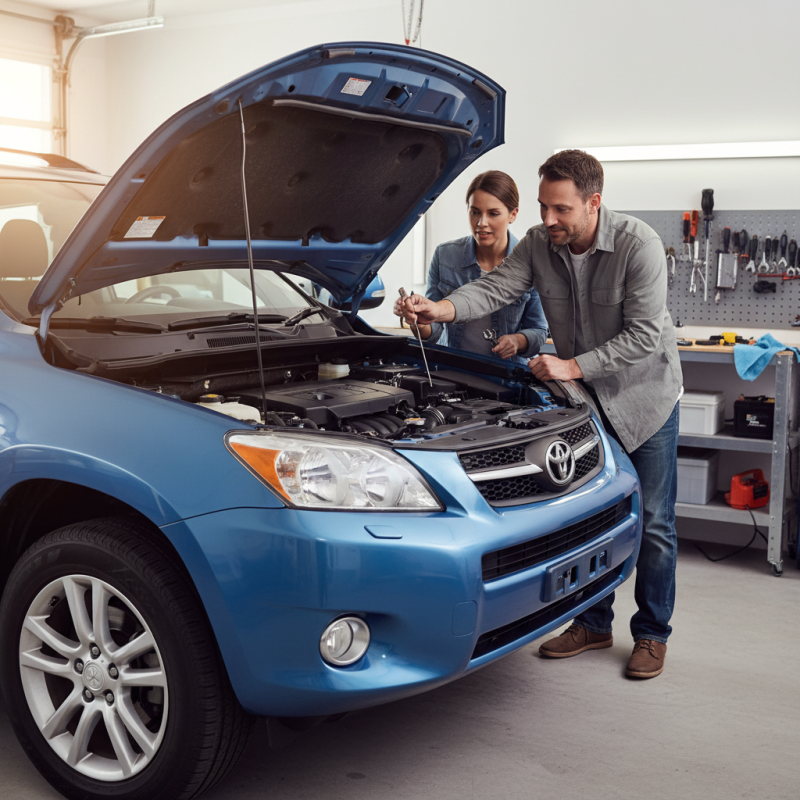
Top 10 Affordable Maintenance Tips For Used SUVs
Maintaining a used SUV affordably requires practical strategies. Regular oil changes can significantly extend engine life. According to the American Automobile Association, ignoring this can lead to costly repairs. Aim for oil changes every 5,000 to 7,500 miles. This minor investment can save up to 30% on engine-related costs over time.
Tire maintenance is another crucial factor. Proper inflation and alignment can prevent uneven wear. The National Highway Traffic Safety Administration reports that under-inflated tires can reduce fuel efficiency by up to 3%. Regularly check tire pressure at least once a month. This habit also enhances safety and handling.
Routine inspections of brakes are vital yet often overlooked. Brake pads should be replaced every 30,000 miles, depending on usage. Ignoring brake issues can lead to expensive repairs. Furthermore, keeping an eye on fluid levels, such as coolant and transmission fluid, should not be neglected. These measures not only improve vehicle reliability but also bolster overall performance. Reflecting on these practices can lead to more sustainable car ownership.
Understanding the Importance of Regular Maintenance for Used SUVs
Regular maintenance is essential for used SUVs. It helps identify issues early, preventing costly repairs down the line. A well-maintained SUV can last longer and perform better, providing reliability for daily use. Simple tasks, like checking fluid levels, can greatly affect performance. Ignoring these tasks may lead to engine troubles or transmission problems.
Understanding the importance of routine checks cannot be overstated. Every used SUV has unique needs, often influenced by its previous usage. Prior owners may not have kept up with maintenance, which adds risk. It is wise to have a checklist. Check tire pressure, inspect brake pads, and change oil regularly. Even small details matter.
Consider potential risks associated with neglecting maintenance. A missed oil change could lead to engine wear over time. Some drivers might find it easy to overlook warning lights. However, these indicators should not be ignored. Reflecting on these maintenance habits can lead to better decisions. Investing time in care will yield benefits in the long run.
Top 10 Affordable Maintenance Tips For Used SUVs
Critical Maintenance Checkpoints: Fluids, Tires, and Brakes
When maintaining used SUVs, focusing on critical checkpoints like fluids, tires, and brakes is essential. Research shows that proper fluid levels can improve engine efficiency by up to 15%. Regular checks of engine oil, coolant, and transmission fluid help prolong vehicle life. Make it a habit to regularly inspect these fluids and keep them at optimal levels.
Tires are another pivotal aspect of maintenance. According to the National Highway Traffic Safety Administration, under-inflated tires can reduce fuel efficiency by 3%. Inspect tire pressure monthly and rotate tires regularly to ensure even wear. This not only saves money on gas but also enhances vehicle handling and safety.
Brakes are crucial for safety. A study from the Automotive Research Council indicates that regular brake inspections can prevent up to 50% of brake-related accidents. Listen for unusual sounds and check brake fluid levels frequently. Addressing small issues early can save costly repairs later on. Regular maintenance may seem tedious, but neglecting these areas could lead to significant problems.
Industry Data on Cost Savings of DIY vs. Professional Maintenance
When considering the cost of maintaining a used SUV, many car owners weigh their options between DIY maintenance and hiring a professional. Industry data shows DIY maintenance can save you a significant amount on labor costs. However, the initial learning curve and the potential for mistakes can be daunting.
Before diving into maintenance tasks, assess your skills. Some tasks, like oil changes or air filter replacements, are manageable for beginners.
However, more complex jobs, like brake repairs, might require expert intervention. Even the best of us can misjudge a task, leading to unexpected expenses. Always ensure to have the right tools on hand to avoid frustration.
For those who opt for professional maintenance, it often comes with the expertise needed for your SUV's specific model. While this option is typically more expensive upfront, the longevity of your vehicle can justify the cost. Professionals can identify potential issues that a novice might overlook. Investing in professional help might save money in the long run by preventing major repairs.
Ultimately, the choice between DIY and professional maintenance hinges on personal comfort and capability. Balancing both methods could yield the best results for budget-conscious SUV owners.
Routine Inspections: Frequency Recommendations by Mileage and Age
Routine inspections are crucial for maintaining any used SUV. Depending on mileage and age, these checks help identify potential issues early. For vehicles with under 30,000 miles, an inspection every six months is typically sufficient. This frequency ensures that fluid levels, tire condition, and brake performance are monitored regularly.
As an SUV ages, its inspection intervals should become more frequent. For those over 60,000 miles or older than five years, consider a quarterly inspection. This proactive approach allows for a deeper examination of systems like the suspension and exhaust. Even small observations, such as unusual noises or fluid leaks, can signal bigger problems.
It's important to adopt a mindset of continuous evaluation. Waiting until something breaks can lead to costly repairs. A simple tire rotation can prolong tread life, saving money long term. Regular check-ups help maintain reliability and performance standards, but they also encourage responsible vehicle ownership. It’s easy to overlook these tasks, yet doing so can prevent more significant issues down the road.
Economical Upgrades That Enhance Used SUV Performance and Longevity
When it comes to enhancing the performance and longevity of used SUVs, economical upgrades are crucial. Regular oil changes might seem basic, but they play a vital role. Clean oil keeps the engine parts well-lubricated. Over time, neglecting this can lead to costly repairs.
Replacing air filters is another simple yet effective way to boost performance. A clean filter improves fuel efficiency. Check it every few thousand miles.
Tires are often overlooked, but they are essential for safety and performance. Rotating them regularly helps even out wear. This simple act can extend tire life. Additionally, consider investing in sound insulation. It minimizes road noise, making your driving experience more enjoyable. It's often a low-cost upgrade that delivers noticeable benefits.
Lastly, don’t forget about the battery condition. Testing the battery can prevent unexpected breakdowns. Old batteries can drain quickly, especially in extreme weather. Reflecting on these aspects can lead to better decisions about maintenance. It's not just about spending; sometimes it's about smart choices that keep your SUV running smoothly.
FAQS
: Check the engine oil, coolant, and transmission fluid monthly. Proper levels improve engine efficiency significantly.
Inspect tire pressure monthly and rotate tires regularly. This ensures even wear and can save on fuel costs.
Regular brake checks can prevent many accidents. Listen for unusual sounds and monitor brake fluid levels often.
An inspection every six months is typically sufficient. This keeps fluids and brake performance in check.
Consider quarterly inspections for these vehicles. More frequent checks can identify significant issues early.
Clean oil lubricates engine parts effectively. Neglecting oil changes can lead to expensive repairs later.
Replacing air filters can improve fuel efficiency. Even small upgrades can make a noticeable difference.
Regularly rotate tires to even out wear. This simple task can significantly extend their lifespan.
Old batteries can fail suddenly, especially in extreme weather. Regular tests help avoid unexpected breakdowns.
Skipping routine checks may lead to severe issues later. It's crucial to adopt a mindset of continuous evaluation.
Conclusion
When it comes to affordable maintenance for used SUVs, regular upkeep is crucial for longevity and performance. Understanding the importance of routine maintenance can help owners avoid costly repairs down the line. Key checkpoints include monitoring fluids, tires, and brakes to ensure safe driving. Additionally, industry data suggests that opting for DIY maintenance can significantly reduce costs compared to professional services.
Routine inspections are recommended based on mileage and age, helping to keep your SUV running smoothly. Furthermore, economical upgrades can enhance performance and extend the life of your vehicle. By following these maintenance tips, owners can enjoy a reliable and efficient used SUV without breaking the bank.
 Almax Auto
